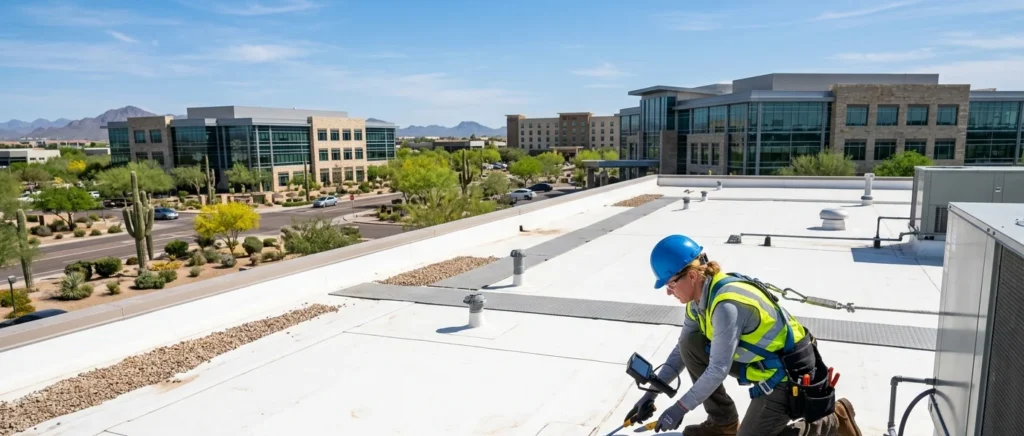
A commercial roof does much more than keep rain out of a building. It protects employees, customers, equipment, inventory, and the structure itself from weather, moisture, and changing temperatures. Whether your property has a flat roof, low-slope roof, or metal roofing system, keeping it in good condition is essential for maintaining business operations.
Like every part of a building, a roof has a limited lifespan. Over time, exposure to sunlight, wind, rain, hail, temperature changes, and daily wear gradually reduces its performance. While repairs can solve isolated problems, there comes a point when a Commercial Roof Replacement becomes the more practical long-term solution.
The challenge is knowing when that point has arrived. Many property owners wait until leaks become severe or structural damage develops before taking action. Unfortunately, delaying replacement often leads to larger problems that affect the entire building.
In this guide, you’ll learn the most common warning signs that indicate your commercial roof may be nearing the end of its service life. You’ll also understand why professional inspections matter, what factors influence replacement decisions, and how regular maintenance can help extend your roof’s lifespan. Whether you manage an office building, warehouse, retail center, healthcare facility, or industrial property, recognizing these signs early helps you make informed decisions about your roofing system.
Understanding Commercial Roof Replacement
What Is a Commercial Roof Replacement?
A Commercial Roof Replacement involves removing part or all of an existing roofing system and installing a new one that restores the building’s weather protection. Unlike routine repairs that address isolated damage, replacement focuses on renewing the roof when widespread deterioration makes repairs less effective.
Depending on the condition of the roof, contractors may remove the existing membrane, inspect the roof deck, replace damaged insulation, install updated waterproofing materials, and finish the project with a new roofing system designed for the building’s requirements.
The goal is not simply installing new materials. A replacement restores structural protection, improves drainage, reduces moisture intrusion, and prepares the building for many more years of service.
Why Commercial Roofs Eventually Wear Out
Every roofing material has an expected service life. Even high-quality systems experience gradual deterioration from years of environmental exposure.
Common causes include:
- Constant ultraviolet (UV) exposure
- Heavy rainfall
- Wind uplift
- Hail impact
- Standing water
- Expansion and contraction caused by temperature changes
- Foot traffic from maintenance crews
- Aging adhesives and sealants
Over time, these conditions weaken roofing materials and increase the likelihood of leaks, cracks, and moisture infiltration.
Why Recognizing Roof Problems Early Matters
Protecting Building Operations
Roof problems rarely stay confined to the roof itself.
Water intrusion can damage:
- Office spaces
- Inventory
- Electrical systems
- Manufacturing equipment
- Ceiling materials
- Interior finishes
A small leak today can become a much larger repair project tomorrow.
Early recognition allows building owners to schedule inspections before damage spreads throughout the property.
Preventing Structural Damage
Water is one of the most destructive elements for any commercial building.
When moisture repeatedly enters the roofing system, it can affect:
- Roof decking
- Structural framing
- Insulation
- Interior walls
- Ceiling systems
Over time, trapped moisture may weaken structural components and create conditions for mold growth.
Replacing an aging roof before widespread deterioration develops helps protect the building’s long-term integrity.
The Most Common Signs You Need a Commercial Roof Replacement
Persistent Roof Leaks
One leak does not automatically mean you need a Commercial Roof Replacement. Many isolated leaks can be repaired successfully.
However, repeated leaks in multiple locations often indicate that the roofing system has reached the point where repairs are becoming temporary rather than permanent.
Some warning signs include:
- Leaks returning after repairs
- Water entering from different locations
- Interior stains spreading over time
- Moisture appearing after every heavy rain
When repairs become increasingly frequent, replacing the roofing system may provide a more durable long-term solution.
Extensive Water Stains on Ceilings and Walls
Interior water stains are often one of the earliest visible indicators of roof failure.
These stains may appear as:
- Yellow discoloration
- Brown rings
- Peeling paint
- Soft drywall
- Damp ceiling tiles
Even if active dripping is not visible, stains often indicate moisture has already entered the roofing system.
Ignoring these signs allows hidden damage to continue developing inside insulation and structural components.
Ponding Water on Flat Roofs
Flat and low-slope commercial roofs are designed to drain water efficiently.
When water remains on the roof for more than 48 hours after rainfall, it is commonly referred to as ponding water.
Standing water can lead to:
- Faster membrane deterioration
- Increased roof weight
- Seam failure
- Mold growth
- Insulation damage
Persistent ponding often indicates drainage issues or structural settlement that should be professionally evaluated.
Blistering, Bubbling, or Surface Cracks
Roof membranes naturally expand and contract as temperatures change.
Over many years, this movement can create:
- Air pockets
- Blisters
- Surface bubbles
- Cracks
- Splits
These openings allow moisture to penetrate beneath the roofing membrane, where hidden damage can spread without being immediately visible.
Small isolated blisters may be repairable, but widespread deterioration often signals that the roof is approaching the end of its service life.
Membrane Damage and Seam Separation
Many commercial roofing systems rely on large sheets of membrane joined together by seams.
As roofing materials age, seams may begin separating because of:
- Thermal movement
- Weather exposure
- Adhesive deterioration
- Wind uplift
Once seams begin opening, water can enter beneath the roofing system and travel significant distances before appearing inside the building.
Routine inspections help identify seam problems before they result in major interior damage.
Damaged Flashing Around Roof Penetrations
Flashing protects vulnerable areas where the roof meets other building components.
Common flashing locations include:
- HVAC equipment
- Skylights
- Plumbing vents
- Roof edges
- Chimneys
- Exhaust fans
Because flashing experiences frequent expansion and contraction, it often deteriorates earlier than surrounding roofing materials.
Signs of flashing problems include:
- Rust
- Cracked sealant
- Loose metal
- Open gaps
- Water stains nearby
If flashing failures become widespread across the roof, replacement may be more practical than repeatedly repairing individual sections.
Widespread Mold or Mildew Growth
Moisture trapped beneath roofing materials creates conditions where mold and mildew can develop.
Visible signs include:
- Dark stains
- Musty odors
- Ceiling discoloration
- Damp insulation
While mold itself does not always mean the roof needs replacement, extensive moisture infiltration often indicates that the roofing system is no longer effectively preventing water intrusion.
A professional roof inspection can determine whether repairs are sufficient or whether replacement is the better long-term solution.
Roof Sagging or Uneven Roof Surfaces
A commercial roof should maintain a consistent shape across its surface. If sections begin to sag, dip, or appear uneven, it may indicate that moisture has penetrated beneath the roofing materials or that structural components have weakened over time.
Some common causes of roof sagging include:
- Long-term water infiltration
- Saturated insulation
- Deteriorated roof decking
- Excessive weight from standing water
- Aging structural supports
Even minor sagging deserves immediate attention because it can affect drainage and place additional stress on the roof system. A professional inspection can determine whether the issue is isolated or a sign that a Commercial Roof Replacement is necessary.
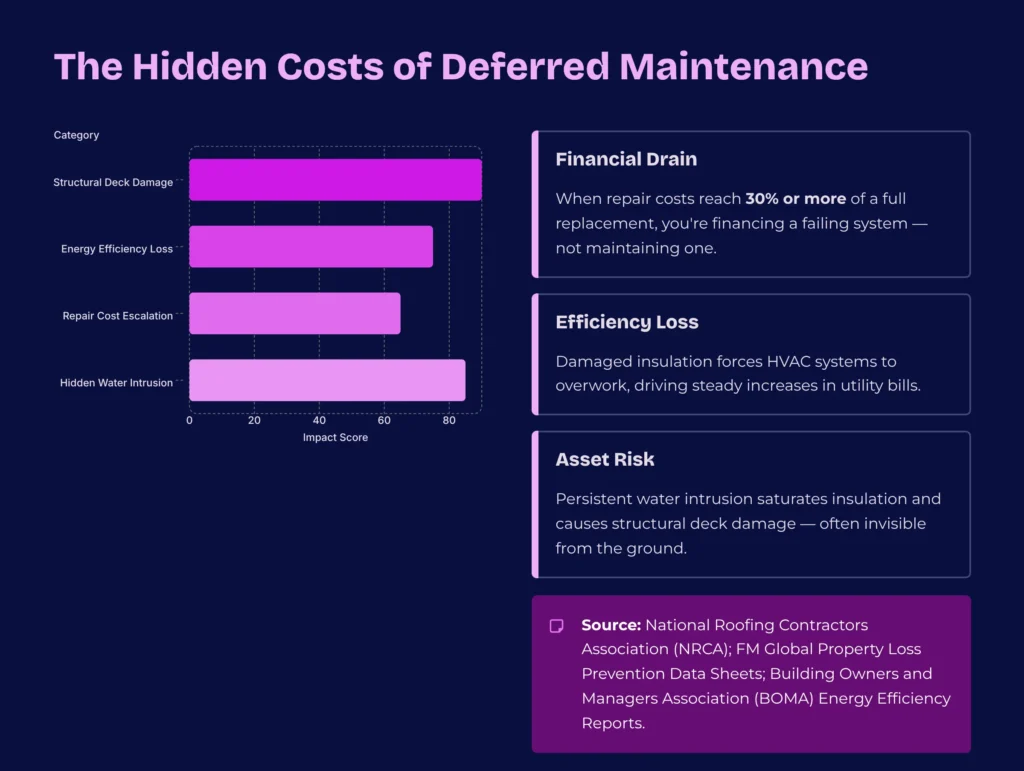
Frequent Repairs Without Long-Term Results
Every commercial roof will require maintenance during its lifespan. Replacing a section of flashing or repairing a puncture is part of normal roof care.
However, if you find yourself scheduling repairs several times a year, it may indicate that the entire roofing system is deteriorating rather than experiencing isolated damage.
Common warning signs include:
- Leaks returning after recent repairs
- New damage appearing in different areas
- Increasing maintenance requirements
- Temporary patches failing quickly
Repeated repairs may keep the roof functioning for a short period, but they often become less effective as roofing materials continue to age.
Higher Energy Bills Than Normal
An aging roof can affect more than weather protection. It also influences your building’s energy efficiency.
When insulation becomes wet or roofing materials begin to fail, conditioned air escapes more easily. As a result, heating and cooling systems work harder to maintain indoor temperatures.
You may notice:
- Higher electricity bills
- Uneven indoor temperatures
- HVAC systems running longer
- Reduced occupant comfort
While rising energy costs can have multiple causes, declining roof performance is one factor worth investigating during a roof inspection.
Visible Storm, Wind, or Hail Damage
Severe weather can shorten the lifespan of any commercial roofing system.
After major storms, inspect the property for signs such as:
- Torn roofing membrane
- Loose flashing
- Punctures from debris
- Impact marks from hail
- Missing roofing materials
- Exposed insulation
Not all storm damage is immediately visible. Water may enter through small openings and remain hidden beneath the membrane for weeks or months before interior leaks develop.
Scheduling a professional inspection after significant weather events helps identify damage before it becomes a larger problem.
Roofing Materials Near the End of Their Expected Lifespan
Every roofing system has an expected service life, although actual performance depends on maintenance, weather conditions, and installation quality.
Approximate lifespans include:
| Roofing System | Typical Service Life |
| TPO Roofing | 20–30 years |
| EPDM Roofing | 20–30 years |
| PVC Roofing | 20–30 years |
| Modified Bitumen | 15–25 years |
| Metal Roofing | 40–70 years (with proper maintenance) |
Even if your roof appears functional, reaching the upper end of its expected lifespan should prompt a comprehensive inspection to evaluate its overall condition.
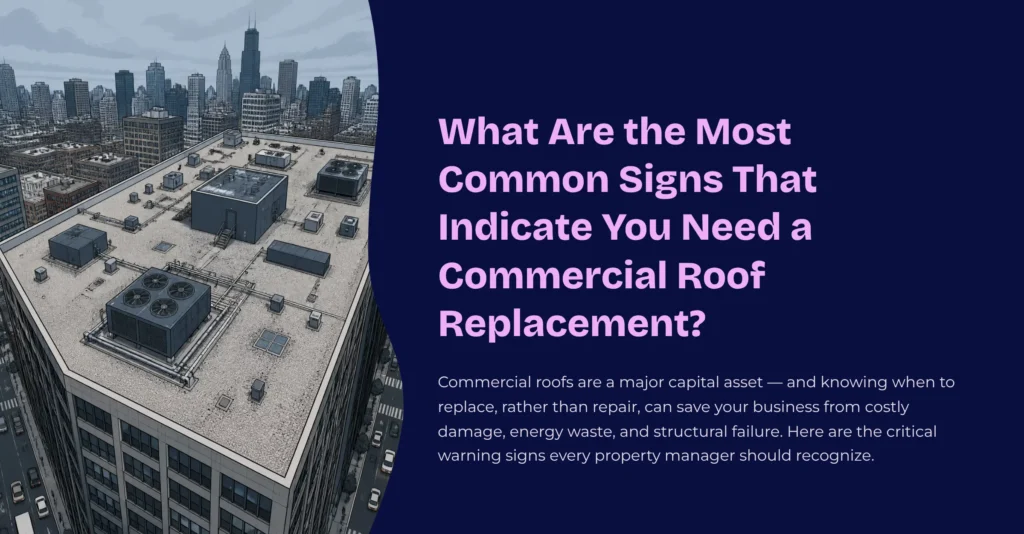
How Professional Roof Inspections Confirm Replacement Needs
Not every damaged roof requires replacement. Professional inspections help determine whether repairs remain practical or whether replacing the roof provides a more reliable long-term solution.
Interior Inspection
Roof evaluations often begin inside the building.
Inspectors look for:
- Ceiling stains
- Moisture damage
- Mold growth
- Water intrusion around penetrations
- Insulation problems
- Structural concerns
Interior findings often reveal hidden issues that cannot be seen from the roof surface alone.
Exterior Roof Assessment
The roof itself is carefully examined for visible signs of deterioration.
Inspectors evaluate:
- Membrane condition
- Flashing performance
- Drainage systems
- Roof penetrations
- Surface damage
- Ponding water
- Seam integrity
This assessment provides a clear picture of the roof’s overall health.
Moisture Detection Technology
Modern roofing inspections often use advanced equipment to detect hidden moisture.
Common methods include:
Infrared Thermal Imaging
Thermal cameras identify temperature differences that may indicate trapped moisture beneath roofing materials.
Electronic Leak Detection
Electronic testing helps locate small membrane openings that are difficult to identify visually.
Core Sampling
In some situations, inspectors remove small sections of roofing materials to examine insulation and the roof deck beneath the surface.
These methods provide valuable information before replacement decisions are made.
Factors That Influence Commercial Roof Replacement Decisions
Every commercial building is different. Several factors influence whether replacement is the most appropriate solution.
Building Purpose
The way a building is used affects roofing requirements.
For example:
- Warehouses may prioritize durability.
- Hospitals require dependable waterproofing.
- Office buildings often focus on energy efficiency.
- Manufacturing facilities may need specialized roofing systems.
Understanding building operations helps determine the most suitable replacement approach.
Roof Design
Commercial roofs come in different configurations, including:
- Flat roofs
- Low-slope roofs
- Metal roofing systems
- Multi-level roof designs
Each design presents unique maintenance needs and replacement considerations.
Local Climate
Environmental conditions significantly influence roof performance.
Commercial roofs exposed to:
- Intense sunlight
- Heavy rainfall
- Snow accumulation
- Strong winds
- Frequent hailstorms
may experience faster wear than roofs in milder climates.
Selecting roofing materials suited to local weather helps improve long-term durability.
Maintenance History
A well-maintained roof generally lasts longer than one that has received little attention.
Regular maintenance often includes:
- Cleaning drains
- Removing debris
- Inspecting flashing
- Repairing minor damage
- Checking roof penetrations
Buildings with consistent maintenance records usually provide inspectors with a clearer understanding of the roof’s remaining service life.
Common Commercial Roofing Systems
Understanding available roofing systems helps property owners make informed replacement decisions.
TPO Roofing
Thermoplastic Polyolefin (TPO) roofing is widely used on commercial buildings because of its reflective surface and welded seams.
Advantages include:
- UV resistance
- Energy efficiency
- Flexibility
- Low maintenance
EPDM Roofing
EPDM is a synthetic rubber roofing membrane commonly installed on low-slope commercial buildings.
It offers:
- Excellent weather resistance
- Flexibility during temperature changes
- Long service life
- Simple repair options
PVC Roofing
PVC roofing provides excellent chemical resistance and durable waterproof seams.
It is frequently selected for:
- Restaurants
- Manufacturing facilities
- Commercial kitchens
- Buildings exposed to grease or chemicals
Modified Bitumen Roofing
Modified bitumen combines asphalt with reinforcing materials to improve strength and flexibility.
It is commonly installed on:
- Office buildings
- Retail centers
- Schools
- Industrial properties
Metal Roofing
Commercial metal roofing is valued for its durability and longevity.
Benefits include:
- Long service life
- Fire resistance
- Wind resistance
- Low maintenance
- Recyclable materials
Proper installation and maintenance help maximize its lifespan.
What Happens During a Commercial Roof Replacement?
Understanding the replacement process helps property owners prepare for the project and know what to expect. While every building is different, most Commercial Roof Replacement projects follow a similar sequence.
Initial Roof Inspection and Project Planning
The process begins with a detailed roof evaluation. Roofing professionals examine the existing system, identify damaged areas, evaluate the roof deck, and determine whether moisture has reached the insulation or structural components.
During this stage, they also consider:
- The building’s size
- Roof slope and drainage
- Existing roofing materials
- Ventilation requirements
- Local building codes
- Safety considerations
This information helps create a replacement plan tailored to the building’s needs.
Removing the Existing Roofing System
Depending on the roof’s condition, contractors may remove all or part of the existing roofing materials.
This phase often includes:
- Removing the roof membrane
- Taking out damaged insulation
- Removing deteriorated flashing
- Cleaning the roof deck
- Disposing of old materials responsibly
Removing worn-out materials allows inspectors to examine the condition of the roof structure beneath.
Inspecting and Repairing the Roof Deck
The roof deck provides the structural foundation for the new roofing system.
If inspectors discover:
- Water-damaged wood
- Rusted metal decking
- Loose fasteners
- Structural deterioration
those issues are addressed before installing new roofing materials.
Repairing the roof deck helps create a stable foundation for the replacement roof.
Installing New Roofing Materials
After preparing the roof deck, contractors begin installing the new roofing system.
Depending on the selected system, installation may include:
- Vapor barriers
- New insulation
- Waterproof membranes
- Flashing around penetrations
- Drainage components
- Edge protection
Each layer plays an important role in protecting the building from moisture and weather.
Final Inspection and Quality Assurance
Before the project is completed, the roofing team performs a final inspection.
This review confirms:
- Proper membrane installation
- Secure flashing
- Effective drainage
- Sealed penetrations
- Clean work areas
- Compliance with manufacturer specifications
A thorough final inspection helps ensure the new roofing system performs as intended.
How Regular Maintenance Can Delay Commercial Roof Replacement
Although every roof eventually reaches the end of its lifespan, routine maintenance can significantly extend its service life.
Preventive maintenance helps identify minor problems before they become major repairs.
Common maintenance activities include:
- Removing leaves and debris
- Cleaning roof drains and gutters
- Inspecting flashing
- Repairing minor punctures
- Checking seams
- Examining rooftop equipment
- Monitoring signs of moisture
Scheduling inspections at least twice each year—and after severe storms—can help detect developing issues early.
Routine maintenance also provides valuable records that help roofing professionals evaluate the condition of the roof over time.
Choosing Qualified Roofing Professionals
Selecting experienced roofing professionals is an important part of protecting a commercial property.
A qualified contractor should provide:
Comprehensive Roof Inspections
A thorough inspection should include both interior and exterior evaluations, documentation of findings, and recommendations based on the roof’s actual condition rather than assumptions.
Knowledge of Multiple Roofing Systems
Commercial buildings use a variety of roofing materials.
Experienced professionals understand the installation and maintenance requirements for systems such as:
- TPO
- EPDM
- PVC
- Modified Bitumen
- Metal Roofing
Their knowledge helps property owners choose materials appropriate for their building and climate.
Clear Communication Throughout the Project
Property owners benefit from contractors who explain:
- Inspection findings
- Project timelines
- Material options
- Safety procedures
- Maintenance recommendations
Clear communication helps everyone understand the scope of the project from beginning to end.
Commitment to Industry Standards
Professional roofing contractors follow manufacturer installation guidelines, local building codes, and accepted industry practices.
Proper installation contributes to better long-term roof performance and helps maintain manufacturer warranties.
How Royal Reliable Roofing Supports Commercial Property Owners
Maintaining a commercial roof requires accurate information, careful planning, and professional evaluations. Royal Reliable Roofing understands that every commercial property has unique roofing needs based on its size, design, roofing system, and environmental conditions.
Rather than assuming every roof requires replacement, experienced roofing professionals begin with a detailed inspection to determine the actual condition of the roofing system. In many situations, maintenance or localized repairs may be appropriate. When widespread deterioration, repeated leaks, or structural concerns are identified, a Commercial Roof Replacement Tucson may provide the most reliable long-term solution.
Property owners also benefit from understanding how different roofing systems perform over time. By staying informed about maintenance requirements, expected service life, and early warning signs of roof failure, building managers can make well-informed decisions that support the long-term performance of their facilities.
Educational resources, regular inspections, and proactive maintenance all play an important role in helping commercial roofs remain functional for as long as possible.
Royal Reliable Roofing Serving the Harold Bell Wright Estates Community and Beyond in Tucson
Royal Reliable Roofing is proud to serve the Tucson community, including property owners and businesses in Harold Bell Wright Estates. Conveniently located near landmarks such as the United States Postal Service and close to major intersections including East 5th Street and E Brian Kent Street (coordinates: 32.226057456974274, -110.85771258883467), our team provides professional Commercial Roof Replacement services for commercial properties throughout the area. Whether your building requires a complete roof replacement after years of wear or you need a professional evaluation to determine the condition of your roofing system, we’re committed to delivering dependable roofing solutions tailored to your property’s needs.
Get Commercial Roof Replacement Services at Harold Bell Wright Estates Now
If your commercial roof is showing signs of aging, leaks, storm damage, or extensive wear, Royal Reliable Roofing is ready to help. Our experienced team provides thorough roof inspections and professional Commercial Roof Replacement services designed to protect your commercial building and extend its long-term performance.
Call us today or contact us online to schedule your commercial roofing consultation.
Navigate from Harold Bell Wright Estates to Royal Reliable Roofing Now
Finding our office from Harold Bell Wright Estates is quick and convenient. Simply follow the route shown in the map below to reach Royal Reliable Roofing at 333 N Wilmot Rd #325, Tucson, AZ 85711.
Conclusion
A commercial roof quietly protects a building every day, but it cannot last forever. Recognizing the warning signs of deterioration allows property owners to address roofing problems before they become larger structural concerns.
Persistent leaks, ponding water, damaged flashing, membrane separation, sagging roof sections, repeated repairs, rising energy bills, and aging roofing materials are all indicators that deserve professional attention. While not every issue requires immediate replacement, multiple warning signs often suggest that the roofing system has reached the end of its useful life.
Professional inspections provide the information needed to determine whether repairs remain practical or whether a Commercial Roof Replacement offers a more dependable long-term solution. Combined with routine maintenance and timely evaluations, replacing an aging roof at the appropriate time helps protect the building, its occupants, and daily business operations for years to come.
Frequently Asked Questions
1. How often should a commercial roof be inspected?
Most commercial roofing professionals recommend scheduling inspections at least twice a year—typically in the spring and fall—and after severe weather events such as hailstorms or high winds.
2. Can every commercial roof be repaired instead of replaced?
Not always. Minor issues can often be repaired, but widespread deterioration, recurring leaks, extensive moisture damage, or roofing materials nearing the end of their lifespan may make a Commercial Roof Replacement the more practical long-term solution.
3. What is the most common cause of commercial roof failure?
Long-term exposure to weather, poor drainage, standing water, ultraviolet radiation, aging materials, and lack of regular maintenance are among the most common reasons commercial roofs deteriorate over time.
4. Does a roof replacement always require removing the entire existing roof?
Not necessarily. The replacement method depends on the condition of the existing roofing system, local building codes, and the recommendations of a qualified roofing professional. Some projects require a complete tear-off, while others may allow partial removal where appropriate.
5. What can building owners do to extend the life of a commercial roof?
Routine inspections, prompt repairs, debris removal, drain cleaning, flashing maintenance, and addressing minor issues before they become major problems are some of the most effective ways to maximize the lifespan of a commercial roofing system.