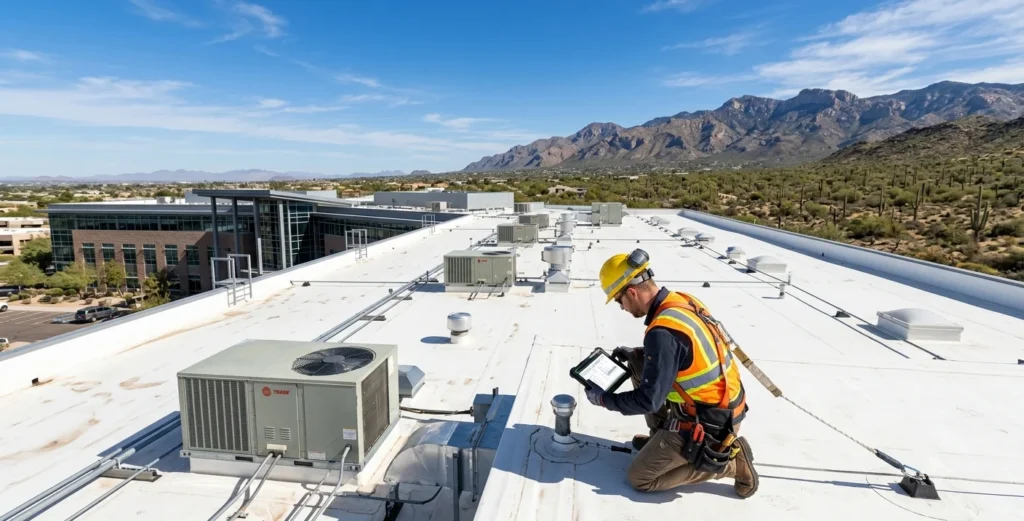
Understanding Why Commercial Roofing Material Selection Matters
Choosing the right commercial roof is a lot like choosing the right foundation for a business decision. The roof protects employees, equipment, inventory, and daily operations. It also plays a major role in energy efficiency, maintenance requirements, and long-term building performance.
Not every commercial building has the same needs. A warehouse, office building, hospital, retail center, and manufacturing facility all operate differently. Because of that, the roofing material that performs exceptionally well on one structure may not be the best fit for another.
When researching commercial roofing Tucson, property owners often discover there are numerous roofing systems available. Understanding how each material performs helps building owners make informed decisions based on their property’s requirements instead of simply following industry trends.
The Relationship Between Building Design and Roofing Performance
Every commercial building presents unique challenges. Roof size, slope, structural support, rooftop equipment, drainage systems, and foot traffic all affect roofing performance.
For example:
- A warehouse may require a durable roof capable of covering thousands of square feet.
- A shopping center often needs a reflective roof to reduce cooling costs.
- Medical facilities require dependable waterproof protection because interior operations cannot tolerate leaks.
- Restaurants frequently need roofing materials that withstand grease exhaust systems and frequent maintenance traffic.
The roofing system becomes part of the building’s overall performance rather than simply serving as weather protection.
Why One Roofing Material Doesn’t Fit Every Commercial Property
Imagine buying the same tires for every vehicle—a sports car, pickup truck, tractor, and SUV. While each uses tires, they all require different designs for optimal performance.
Commercial roofing works the same way.
Different roofing materials provide different strengths, including:
- Superior waterproofing
- Better heat reflection
- Increased puncture resistance
- Easier maintenance
- Longer service life
- Greater flexibility during temperature changes
Understanding these characteristics helps property owners choose roofing systems that align with the building’s purpose.
Factors That Influence Commercial Roofing Material Selection
Climate and Weather Conditions
Weather is one of the biggest influences on roof performance.
In warmer regions like southern Arizona, roofing materials experience:
- Intense UV exposure
- High daytime temperatures
- Rapid temperature swings
- Heavy monsoon rainfall
- Strong seasonal winds
These conditions make material durability especially important. Property owners researching commercial roofing Tucson often prioritize roofing systems that reflect heat, resist UV damage, and manage sudden storms effectively.
Building Size and Roof Slope
Roof geometry determines which materials work best.
Low-Slope Roofs
Common on:
- Warehouses
- Distribution centers
- Schools
- Hospitals
- Retail stores
Low-slope roofs typically use:
- TPO
- PVC
- EPDM
- Modified bitumen
- Built-up roofing
Steep-Slope Commercial Roofs
Often found on:
- Churches
- Hotels
- Office buildings
- Mixed-use developments
These structures may benefit from:
- Standing seam metal
- Architectural shingles
- Tile
- Slate in specialty applications
Energy Efficiency Goals
A roof can significantly affect indoor comfort and energy consumption.
Reflective roofing materials reduce heat absorption, helping HVAC systems operate more efficiently during hot weather.
Common energy-efficient roofing options include:
- White TPO membranes
- PVC roofing
- Reflective metal roofing
- Cool roof coatings
These systems help minimize rooftop temperatures, which can contribute to lower cooling demands.
Maintenance Expectations
Some roofing systems require more routine attention than others.
Property owners should consider:
- Frequency of inspections
- Ease of repairs
- Resistance to debris
- Foot traffic durability
- Accessibility for maintenance crews
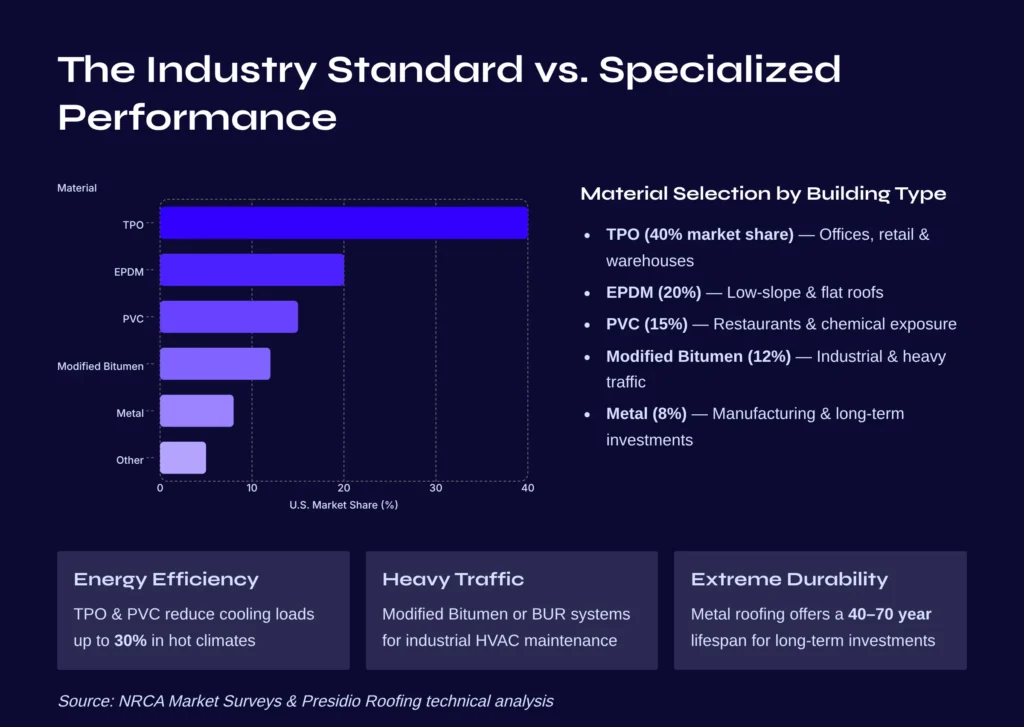
Buildings with rooftop HVAC equipment often experience more maintenance traffic, making puncture-resistant materials especially valuable.
Expected Service Life
Different materials have different lifespans when properly installed and maintained.
Typical service life ranges include:
| Roofing Material | Typical Lifespan |
| TPO | 20–30 years |
| PVC | 20–30 years |
| EPDM | 25–35 years |
| Modified Bitumen | 20–30 years |
| Built-Up Roofing | 20–35 years |
| Metal Roofing | 40–70 years |
Regular inspections and preventive maintenance help maximize the lifespan of any roofing system.
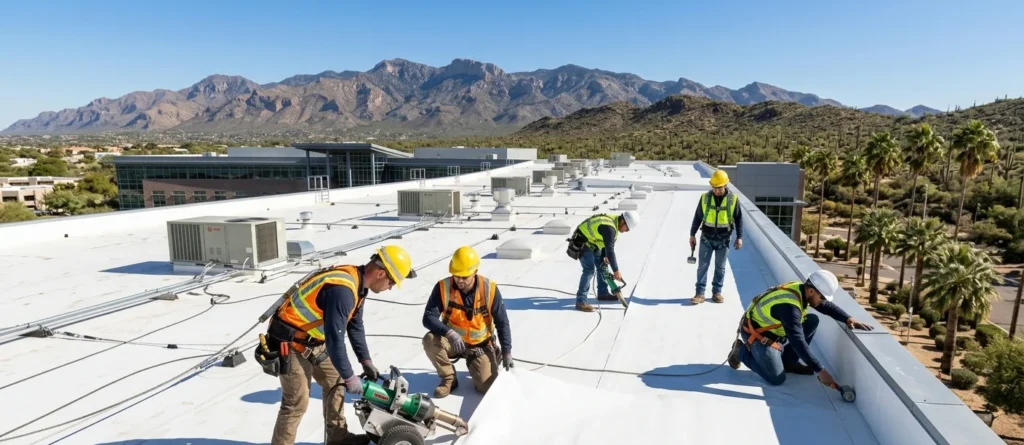
Built-Up Roofing (BUR)
Built-Up Roofing, commonly called BUR, has been used on commercial buildings for well over a century.
It consists of alternating layers of asphalt and reinforcing fabrics topped with gravel or mineral surfacing.
The multiple layers create excellent waterproof protection.
Best Building Types for BUR
BUR performs well on:
- Warehouses
- Government buildings
- Schools
- Industrial facilities
- Large office buildings
Its multi-layer construction provides dependable protection for expansive low-slope roofs.
Key Advantages and Limitations
Advantages
- Excellent waterproofing
- Strong UV protection
- Durable against foot traffic
- Proven long-term performance
Limitations
- Heavier than many modern systems
- Installation requires specialized expertise
- Repairs can be more labor-intensive
Modified Bitumen Roofing
Modified bitumen combines traditional asphalt roofing with modern polymer technology to improve flexibility and durability.
It is commonly installed in rolled sheets using heat welding, cold adhesives, or self-adhering methods.
Ideal Commercial Applications
Modified bitumen is often selected for:
- Medical offices
- Apartment buildings
- Schools
- Retail centers
- Government facilities
Its flexibility helps it perform well under varying weather conditions.
Performance Benefits
Property owners appreciate modified bitumen because it offers:
- Good puncture resistance
- Strong waterproofing
- Flexible installation methods
- Reliable performance during temperature fluctuations
- Straightforward maintenance
It is often considered a practical option for buildings that experience regular rooftop access.
Single-Ply Membrane Roofing
Single-ply roofing systems have become some of the most widely installed commercial roofing materials today.
These systems use large sheets that create continuous waterproof barriers across expansive roofs.
The three most common membrane types are:
- TPO
- PVC
- EPDM
Each offers distinct performance characteristics suited to different building needs.
TPO Roofing
Thermoplastic Polyolefin (TPO) has become increasingly popular because of its balance of energy efficiency, durability, and relatively simple installation.
Best Building Types
TPO is commonly installed on:
- Shopping centers
- Warehouses
- Office buildings
- Schools
- Distribution centers
Key Benefits
- Highly reflective surface
- UV resistant
- Heat-welded seams
- Lightweight
- Energy efficient
- Low maintenance
Its reflective white surface is especially valuable in sunny climates where reducing rooftop heat gain is a priority.
PVC Roofing
Polyvinyl Chloride (PVC) roofing is another single-ply membrane system known for its exceptional durability and chemical resistance. It has been used on commercial buildings for decades and remains a preferred choice for facilities with demanding operating conditions.
Unlike some roofing materials, PVC membranes are heat-welded at the seams, creating a watertight bond that helps reduce the risk of leaks.
Best Building Types for PVC Roofing
PVC roofing performs especially well on:
- Restaurants
- Food processing plants
- Manufacturing facilities
- Healthcare buildings
- Laboratories
- Hotels
These buildings often produce oils, grease, chemicals, or exhaust that can accelerate the deterioration of other roofing materials. PVC offers excellent resistance to these substances.
Advantages of PVC Roofing
Some of the most notable benefits include:
- Excellent chemical resistance
- Reflective surface for improved energy efficiency
- Strong waterproof seams
- Fire-resistant properties
- Long service life
- Low maintenance requirements
For commercial facilities where cleanliness, durability, and waterproof performance are top priorities, PVC is often a reliable solution.
EPDM Roofing
EPDM (Ethylene Propylene Diene Monomer) is a synthetic rubber roofing membrane widely recognized for its flexibility and weather resistance.
It has earned a strong reputation because it performs well through years of exposure to changing temperatures and sunlight.
Best Building Types for EPDM
EPDM is commonly used on:
- Warehouses
- Office buildings
- Educational facilities
- Distribution centers
- Municipal buildings
Large, low-slope roofs particularly benefit from EPDM’s ability to expand and contract with temperature changes.
Advantages of EPDM Roofing
EPDM offers several important advantages:
- Excellent flexibility
- Strong resistance to cracking
- Reliable waterproofing
- Performs well in varying climates
- Relatively simple repair process
- Proven long-term durability
While traditional EPDM membranes are black, lighter-colored options are also available to improve heat reflectivity in warmer climates.
Metal Roofing
Metal roofing continues to grow in popularity because of its impressive lifespan and modern appearance.
Standing seam metal roofs, in particular, provide exceptional weather protection while requiring relatively little maintenance.
Best Building Types for Metal Roofing
Metal roofing is an excellent choice for:
- Office buildings
- Churches
- Schools
- Retail centers
- Agricultural buildings
- Industrial facilities
- Government buildings
It performs especially well on structures with steeper roof slopes.
Advantages of Metal Roofing
Some of the biggest advantages include:
- Exceptional longevity
- High wind resistance
- Fire resistance
- Excellent durability
- Reflective finishes available
- Minimal maintenance
Although metal roofing often represents a higher initial investment, its long service life makes it an attractive option for many commercial property owners.
Green Roofing Systems
Green roofs introduce vegetation above a waterproof roofing system, creating an environmentally friendly roofing solution.
These roofs are becoming increasingly popular in urban areas focused on sustainability and energy conservation.
Ideal Applications for Green Roofs
Green roofing works well for:
- Office complexes
- Universities
- Municipal buildings
- Mixed-use developments
- Eco-conscious commercial projects
Benefits of Green Roofing
Green roofs provide numerous advantages, including:
- Better insulation
- Stormwater management
- Reduced urban heat island effect
- Improved air quality
- Added visual appeal
- Extended membrane lifespan
However, these systems require proper structural support and ongoing landscape maintenance.
Spray Polyurethane Foam (SPF) Roofing
Spray Polyurethane Foam, often referred to as SPF roofing, creates a seamless roofing system by spraying liquid foam directly onto the roof surface.
After application, a protective coating is added to shield the foam from UV exposure.
Best Building Types for SPF Roofing
SPF roofing is commonly installed on:
- Warehouses
- Office buildings
- Manufacturing facilities
- Schools
- Commercial complexes
It is especially useful for roofs with unusual shapes or numerous penetrations.
Advantages of SPF Roofing
Property owners appreciate SPF because it offers:
- Seamless waterproof protection
- Excellent insulation value
- Lightweight construction
- Easy repairs
- Reduced air leakage
- Adaptability to irregular roof surfaces
Proper installation by experienced professionals is essential to achieving long-term performance.
Choosing the Right Roofing Material for Different Building Types
Every commercial property has unique operational requirements. Matching the roofing material to the building’s function helps improve performance and longevity.
Warehouses
Warehouses usually have expansive, low-slope roofs that prioritize durability and low maintenance.
Suitable materials include:
- TPO
- EPDM
- BUR
- SPF
These systems can efficiently cover large roof areas while providing dependable weather protection.
Office Buildings
Office buildings often balance energy efficiency with aesthetics.
Common roofing choices include:
- TPO
- PVC
- Metal roofing
Reflective materials can help reduce cooling loads while maintaining a professional appearance.
Retail Centers
Retail buildings require roofing systems that minimize disruptions to business operations.
Recommended materials include:
- TPO
- PVC
- Modified Bitumen
These systems offer reliable waterproofing and can often be maintained with minimal interruption.
Healthcare Facilities
Hospitals and medical offices demand roofing systems with exceptional leak resistance because moisture can disrupt sensitive operations.
Common options include:
- PVC
- Modified Bitumen
- BUR
Dependable waterproofing is essential in these environments.
Industrial Facilities
Manufacturing plants often expose roofs to chemicals, exhaust, and heavy rooftop equipment.
Suitable materials include:
- PVC
- Metal roofing
- Modified Bitumen
The ideal choice depends on the facility’s specific operating conditions.
Educational Buildings
Schools and universities typically seek roofing systems that combine durability with long service life.
Popular choices include:
- TPO
- EPDM
- BUR
These materials can perform well across large campuses while supporting long-term maintenance planning.
Common Mistakes When Selecting Commercial Roofing Materials
Choosing a roofing system without considering the building’s unique needs can lead to avoidable problems.
Some common mistakes include:
Ignoring Climate Conditions
Materials that perform well in one region may not be the best option elsewhere. High temperatures, UV exposure, rainfall, and wind should always influence material selection.
Overlooking Building Usage
A restaurant, warehouse, and laboratory each place different demands on their roofing systems. Selecting materials based solely on appearance may result in premature wear.
Neglecting Future Maintenance
Every roofing system requires inspections and routine maintenance. Planning for these needs from the beginning can help prevent unexpected issues later.
Focusing Only on Initial Installation
Long-term performance, durability, and ease of maintenance often provide greater value than choosing a material based solely on the initial installation process.
Maintenance Tips for Every Commercial Roofing System
Regardless of the roofing material, consistent maintenance is one of the best ways to maximize performance.
Property owners should consider the following best practices:
- Schedule professional roof inspections at least twice each year.
- Inspect the roof after severe weather events.
- Keep drains and gutters free from debris.
- Remove standing water promptly.
- Address minor damage before it develops into larger issues.
- Limit unnecessary foot traffic.
- Document maintenance activities for future reference.
Preventive maintenance helps extend the lifespan of nearly every commercial roofing system.
Why Professional Installation Matters?
Even the highest-quality roofing material cannot perform as intended if it is installed incorrectly.
Proper installation ensures:
- Correct seam integrity
- Effective drainage
- Manufacturer-compliant application
- Reliable waterproofing
- Improved long-term durability
Experienced commercial roofing professionals understand how to match materials to building requirements while following industry standards.
For property owners exploring commercial roofing Tucson, working with knowledgeable contractors can simplify the process of selecting materials that align with building design, climate, and operational needs. Companies like Royal Reliable Roofing emphasize evaluating each property individually because no single roofing system is ideal for every commercial building.
Royal Reliable Roofing Serving the Harold Bell Wright Estates Community and Beyond in Tucson
Royal Reliable Roofing is dedicated to serving the diverse needs of the Tucson community, including businesses and property owners in neighborhoods like Harold Bell Wright Estates. Conveniently located near landmarks such as Academy Medical Center and major intersections including E Carondelet Dr and N Wilmot Rd (coordinates: 32.224670923950754, -110.85840122201753), we provide commercial roofing Tucson services. Our team is committed to helping local commercial properties maintain durable, dependable roofing systems that are designed to withstand Southern Arizona’s challenging climate while supporting the long-term performance and protection of their buildings.
Get Commercial Roofing Services at Harold Bell Wright Estates Now
If you’re looking for dependable commercial roofing services near Harold Bell Wright Estates, Royal Reliable Roofing is ready to help. Whether your commercial property needs routine roof inspections, preventative maintenance, roof repairs, or a complete commercial roofing system, our experienced team is committed to delivering high-quality workmanship and reliable roofing solutions throughout Tucson.
Call us or contact us today to learn more about our commercial roofing services and schedule a consultation for your property.
Navigate from Harold Bell Wright Estates to Royal Reliable Roofing Now
Getting to Royal Reliable Roofing from Harold Bell Wright Estates is quick and convenient.
Directions:
- Start from Harold Bell Wright Estates.
- Head south toward E Carondelet Dr.
- Turn onto N Wilmot Rd.
- Continue to 333 N Wilmot Rd #325, Tucson, AZ 85711.
- You will arrive at Royal Reliable Roofing.
Google Maps:
Conclusion
Selecting the best commercial roofing material involves much more than choosing a product from a list. Every building has unique structural characteristics, operational demands, and environmental challenges that influence which roofing system will perform best.
Whether it’s the energy efficiency of TPO, the chemical resistance of PVC, the flexibility of EPDM, the durability of metal roofing, the proven reliability of built-up roofing, or the insulation benefits of spray polyurethane foam, each material offers distinct advantages for specific building types.
Understanding these differences allows property owners and facility managers to make informed decisions that support long-term building performance, reduce maintenance concerns, and improve overall roof longevity. For businesses researching commercial roofing Tucson, learning about available roofing systems is an important first step toward protecting valuable commercial assets. Royal Reliable Roofing encourages building owners to view roofing as a long-term investment in the safety, efficiency, and resilience of their property.
Frequently Asked Questions (FAQs)
1. Which commercial roofing material lasts the longest?
Metal roofing generally offers the longest service life, often lasting 40 to 70 years with proper installation and regular maintenance. Other durable options like EPDM, BUR, and PVC can also provide decades of reliable performance.
2. Is TPO roofing suitable for hot climates like Tucson?
Yes. TPO roofing is known for its reflective white surface, which helps reduce heat absorption. This makes it a popular choice for commercial buildings in sunny, high-temperature regions such as Tucson.
3. What roofing system is best for restaurants?
PVC roofing is frequently recommended for restaurants because it offers excellent resistance to grease, oils, and chemicals commonly released through kitchen exhaust systems.
4. How often should a commercial roof be inspected?
Most roofing professionals recommend inspecting commercial roofs at least twice a year—typically in the spring and fall—and after major storms to identify and address potential issues early.
5. Can different commercial roofing materials improve energy efficiency?
Yes. Reflective roofing systems such as TPO, PVC, cool-coated metal roofs, and certain SPF systems can help reduce rooftop temperatures, easing the workload on HVAC systems and improving overall building energy efficiency.